
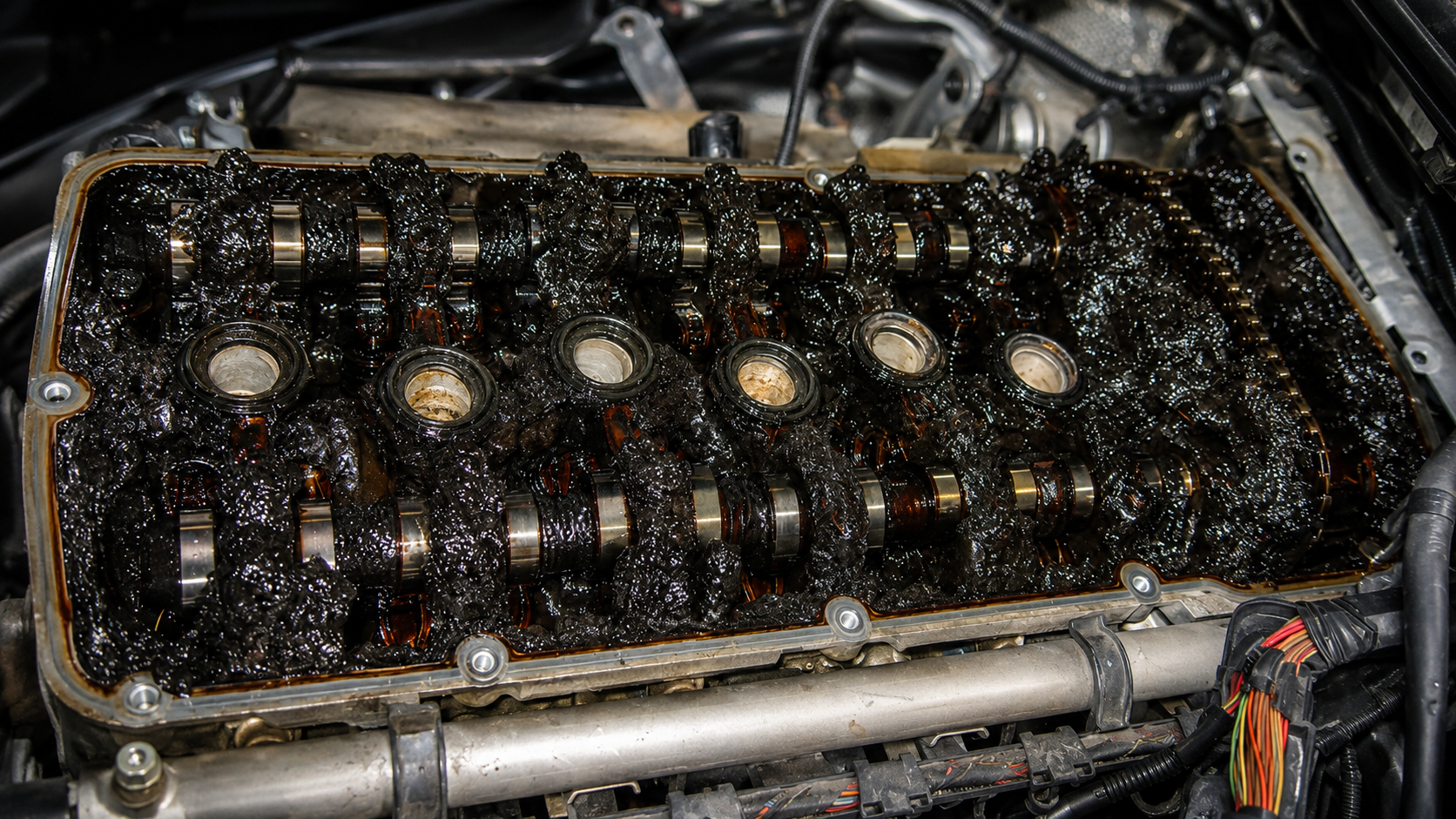
Does your car engine start to sound rough and feel sluggish? This doesn't always indicate serious component damage. Oil deposits, engine sludge, and dirt within the lubrication system can also disrupt engine performance.
Engine oil constantly works to lubricate, clean, and protect components from friction. However, heat, combustion byproducts, and prolonged use will degrade the oil's quality. If riders frequently delay oil changes, dirt can accumulate and turn into sludge.
The sediment can impede oil flow and prevent optimal lubrication. As a result, the engine works harder, produces a rough sound, and loses responsiveness when the driver presses the accelerator pedal.
Usage Engine Flush before oil change can help clean these deposits and keep the inside of the engine clean.
Why do oil deposits form inside an engine?
Oil circulates to various parts of the engine to reduce friction and maintain working temperature. During this process, the oil carries dirt particles, combustion residue, and small debris from engine components.
Over time, high heat will degrade the oil. Old oil can thicken and leave residue in the lubrication pathways, engine components, and other parts it circulates through.
The habit of delaying oil changes accelerates sludge formation. Cars that frequently encounter traffic jams, make short trips, or rarely reach ideal operating temperatures are also at higher risk of sludge buildup.
If the car owner continues to neglect it, the deposits can hinder oil circulation. The engine will have to work harder to run each of its components.
Signs of an engine starting to experience deposit buildup
Vehicle owners cannot directly see oil sludge without opening the engine. However, cars usually show several signs that need attention.
The engine noise can sound rougher, especially when the driver first starts it. The acceleration also feels heavy and the gas pedal response isn't as light as usual.
When a mechanic drains old oil, it may appear very dark, thick, and sludgy. In some cases, the engine may also run hotter or fuel consumption may start to increase.
Nonetheless, these symptoms don't always stem from oil deposits. Spark plugs, the fuel system, the air filter, and worn engine components can also cause similar problems. Therefore, conduct further checks if the engine condition doesn't improve.
What is Engine Flush?
Engine Flush is a cleaning fluid used before an oil change. Its formula helps soften and dissolve sludge, oil deposits, and dirt stuck in the lubrication pathways.
The user poured Engine Flush into the engine with the old oil still inside. After that, the engine was started at idle so that the fluid circulated with the oil.
The fluid will help carry out contaminants when the old oil is drained. After the process is complete, the user can replace the oil filter and add new oil.
Engine flush does not fix damaged or worn engine components. This product serves as an additional treatment to clean the inside of the engine before new oil begins to work.
Benefits of Using Engine Flush Before Oil Change
Engine Flush helps clean out old oil residue, sludge, and light deposits within the engine. Cleaner lubrication passages allow new oil to circulate better.
The cleaning process also reduces the risk of new oil immediately mixing with remaining dirt. This way, new oil can perform its lubrication and protection functions more optimally.
Car owners can consider using an Engine Flush on vehicles with high mileage, an irregular oil change history, or engines that are starting to feel rough and heavy.
However, do not make Engine Flush a solution for all engine problems. If components are worn or mechanically damaged, vehicle owners should still take their car to a workshop for inspection.
How to Use AutoGard Engine Flush
Use AutoGard Engine Flush Before changing the engine oil, ensure the oil level is still within the safe range, then pour the product according to the instructions on the packaging.
Start the engine and let it idle for about 10-15 minutes. Do not drive the vehicle or excessively press the accelerator during this process.
After that, turn off the engine and drain the old oil completely. Replace the oil filter so that trapped dirt does not mix again with the new oil.
Finally, add new oil according to the capacity and specifications recommended by the vehicle manufacturer. Recheck the oil volume before starting the engine.
If the engine is very old, has heavy sludge buildup, or an unclear maintenance history, have a technician inspect its condition first.
Maintain Engine Cleanliness with AutoGard Engine Flush
Rough engines and heavy pulling can reduce riding comfort. Oil deposits may be one of the causes you need to be aware of.
AutoGard Engine Flush Helps to dissolve sludge, sediment, and old oil residue before the oil change process. This process helps prepare the inside of the engine so that the new oil can work more optimally.
Continue to change the oil regularly and use oil that meets the vehicle's specifications. With proper maintenance, you can maintain engine cleanliness, responsiveness, and performance in the long run.
 ID
ID  EN
EN